


Tips for Creating an Effective Study Space for Your Child

Tips for Creating an Effective Study Space for Your Child
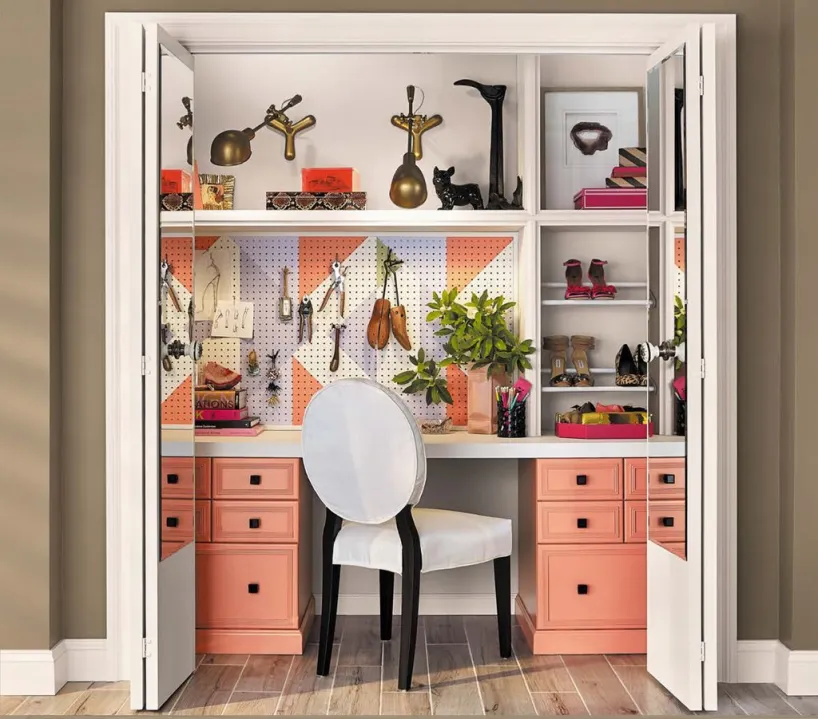

A well-designed study space helps kids feel calm, focused, and ready to learn. Whether you have a whole room to dedicate or just a small corner, the key is creating a space that’s inviting, organized, and free from distractions. Here’s how to set it up:
1. Choose a Quiet, Low-Traffic Spot. Pick a place away from the TV, household noise, and foot traffic. A quiet bedroom corner, a nook in the kitchen, or even a converted closet can work well – as long as it helps your child concentrate.
2. Keep it Clutter-Free. A clean, tidy space reduces distractions and stress. Use bins, baskets, or drawer organizers to keep supplies like pencils, paper, and chargers in one spot and out of the way.
3. Provide the Right Supplies. Make sure the essentials are always within reach:
- Pencils, pens, erasers
- Paper, notebooks, folders
- A timer or clock
- Good lighting (natural or desk lamp)
- Headphones for online learning or focus music
4. Add a Comfortable, Kid Sized Chair. The chair should be supportive and the right height for the desk or table. Avoid overly cushy or reclining chairs – good posture helps maintain focus.
5. Personalize the Space. Let your child decorate with a few favorite items – a motivational quote, family photos, or a small plant. This makes space feel welcoming and theirs, without adding distractions.
6. Limit Screen Distractions. If homework doesn’t require a device, keep phones and tablets away. If a device is needed, use parental controls or apps that block distracting websites during study time.
7. Use a Visual Schedule or Checklist. A simple whiteboard or paper checklist can help your child plan out their homework tasks and feel accomplished as they check things off.
8. Keep It Consistent. Try to use the same space every day for studying. Routine helps train the brain to focus when in that specific area.
9. Create a “Break Station” Nearby. Set up a small area with fidgets, a coloring book, or a timer for short movement breaks. This helps focus and energy – especially for younger kids.
10. Involve Your Child in the Setup. Let them help choose the chair, pick a lamp, or organize supplies. When kids have a say in their environment, they’re more likely to take ownership and use the space.
A thoughtfully prepared study space can help your child build positive homework habits and feel more confident in their learning journey. Small changes can make a big difference!



Newsletter
Be the first to know when new resources become available.
Follow Us :